
Subscribe and receive email notifications of new blog posts.
 RSS Feed
-
2026 | 38 Posts
- September |
- August |
- July |
- June |
- May |
- April |
-
March |
- - The Maison - Empire Homes and Remodeling Modern 2-Story
- - What Serious Buyers Notice in the First 60 Seconds
- - 25 Hacks Only Interior Designers Know
- - How to Prepare Your Home for Spring Showings (and Stand Out to Buyers)
- - Stage Your Home to Attract More Buyers
- - 6 Tips for Attending Your First Open House
- February |
- January |
- 2025 | 14 Posts
28
Designing a Home for Every Stage of Life
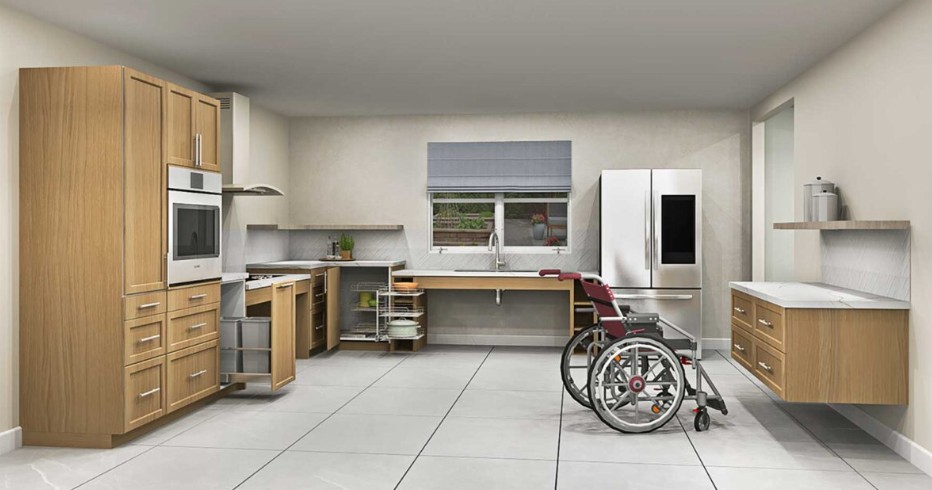 A great home should work for you—not the other way around. As homeowners think more about aging in place, multigenerational living, and creating spaces that are comfortable for everyone, accessibility is becoming an increasingly important part of home design.
The good news? An accessible home doesn't have to look clinical or feel overly specialized. Many accessibility-focused features can seamlessly blend into modern home design while making everyday life safer, easier, and more comfortable.
Create a More Functional Kitchen
The kitchen is one of the busiest areas of any home, making thoughtful design especially important. Features such as pull-out cabinet shelves, easy-to-reach storage, and strategically placed appliances can make daily tasks easier.
Consider incorporating an induction cooktop, a sink with knee clearance, or touchless and voice-activated faucets. These features can improve accessibility while also adding convenience for homeowners of all ages.
Make Bathrooms Safer and More Comfortable
Bathrooms are another key area where accessibility can make a major difference. Curbless showers eliminate a common trip hazard, while handheld showerheads and strategically placed grab bars can provide additional flexibility and support.
Lower or adjustable-height vanities, improved lighting, and smart bathroom technology can also make the space easier to use without compromising style.
Think About the Bedroom
Small design decisions in the bedroom can have a big impact on comfort and independence. Consider accessible closet systems with pull-down rods, additional lighting, and convenient storage that doesn't require reaching or bending.
Motion-activated lighting is another smart addition, particularly for nighttime trips to the bathroom. Adjustable beds and thoughtfully positioned furniture can further improve functionality.
Don't Forget the Entryway
Getting into and around a home should be simple and comfortable. Wider doorways, minimal thresholds, smooth transitions between flooring surfaces, and clutter-free pathways can make a home easier to navigate.
The garage and main entry can also benefit from practical features such as built-in storage, sturdy benches, and organized drop zones. These upgrades aren't just useful for someone with mobility limitations—they're helpful for families carrying groceries, parents with strollers, and anyone looking to simplify their daily routine.
Embrace Smart-Home Technology
Technology is opening up even more possibilities for accessible living. Smart locks, automated lighting, motion sensors, voice-controlled devices, and smartphone-connected appliances can reduce the physical effort needed to operate many areas of the home.
These features can provide added convenience today while helping a home adapt to changing needs in the future.
Design With the Future in Mind
One of the smartest approaches to home design is to think beyond the present. A home that can adapt to changing lifestyles, mobility needs, and family dynamics can provide greater comfort and functionality for years to come.
Whether you're building new, remodeling your current home, or shopping for your next property, accessibility is worth considering as part of the bigger picture. Features like wider doorways, first-floor living spaces, accessible bathrooms, flexible rooms, and smart technology can help create a home that truly works for everyone.
A Home That Works for You
Accessible design isn't simply about preparing for the future—it's about making everyday life better right now. The best homes combine comfort, functionality, style, and flexibility, creating spaces that can evolve alongside the people who live in them.
When buying or building a home, look beyond today's needs and consider how the property can support your lifestyle for years to come. After all, a truly great home isn't just where you live—it's a place designed to grow with you.
Click HERE to read full article from GoodHousekeeping.com